
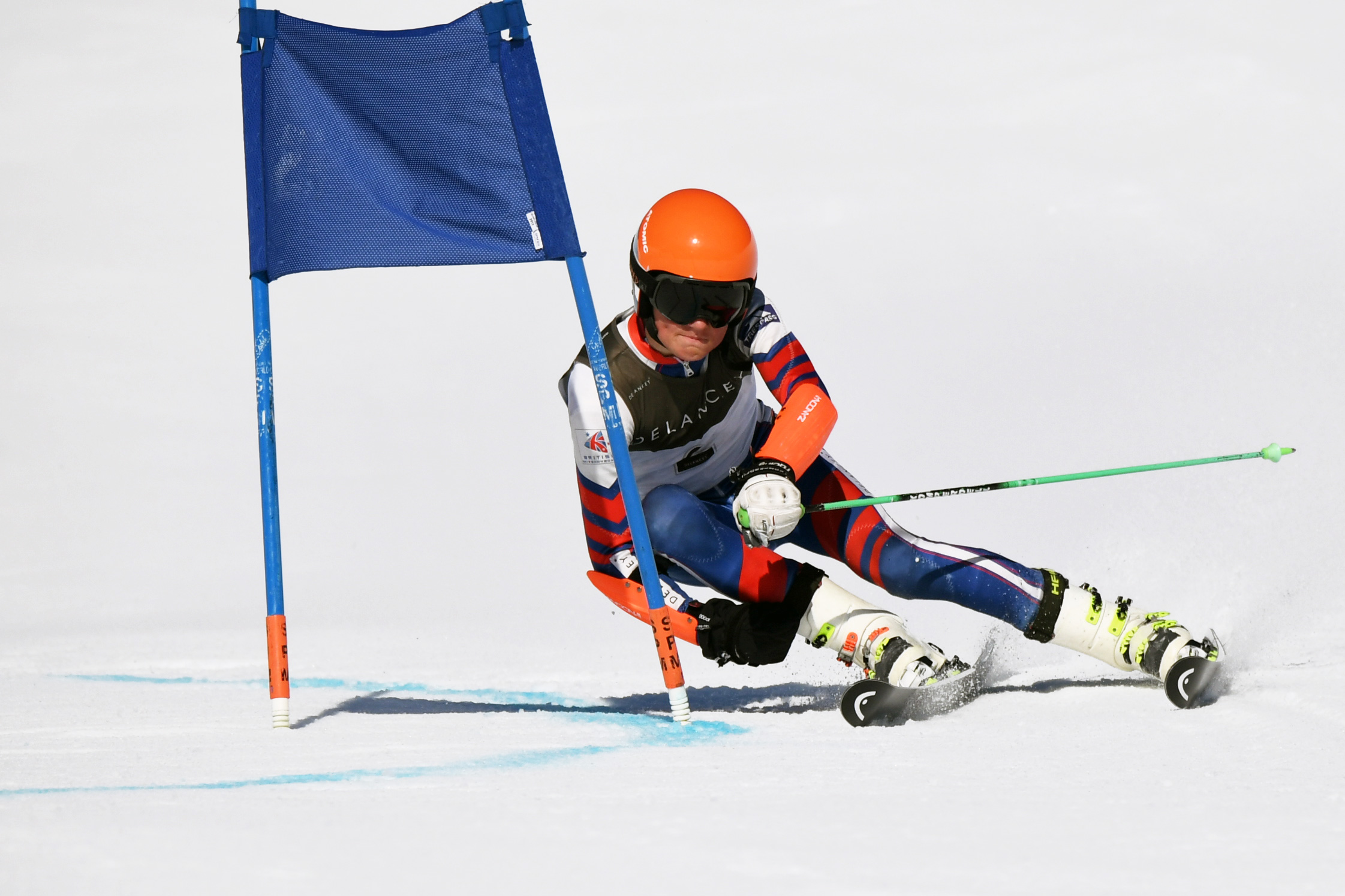
Planning Your First FIS Season: Starts, Budget and Goals
Stepping into FIS racing is a genuine threshold. The licence is real, the fields are deep, the timing is unforgiving, and the romance of the idea meets the reality of a 7am inspection fairly quickly. A first FIS season that goes well is almost never an accident: it is planned, and mostly planned before the snow flies. This is the guidance we give athletes joining our FIS training programme, built on our coaches’ years of taking racers through year one.
Who a first FIS season is really for
At Podium, the athletes stepping up to FIS are 18 and over, and they have almost always raced before, often with the home nations, coming through England or Scotland national team pathways. This is not a beginner’s route: FIS licences are open from age 16 (registered through your national association, GB Snowsport for British athletes, with the athlete’s declaration signed and insurance in place), but the racers who thrive in year one arrive with a racing background and treat FIS as the next rung, not the first one.
The pre-season decides the season
The single most important thing to understand: your first FIS winter will be dictated by the pre-season that precedes it. Building a solid technical base in the summer and autumn is what everything else hangs from. Race skiing exposes technique under fatigue, on rough snow, at intensity, and whatever holes exist in your skiing in October will be found by December race courses. That is why our coaches talk about training something into your skiing each pre-season: one deliberate, concrete improvement consolidated before racing starts, rather than a scramble of last-minute mileage. The racing itself then becomes the place you express your base, not the place you try to build one.
What the season looks like: starts, structure, easing in
A realistic first season is around 25 to 30 starts. That sounds like a lot until you learn how the calendar works: races frequently run two to a day on the same hill, so 30 starts is far fewer travel days than it appears. The shape matters more than the raw count. Lower-level FIS races and ENL (Entry League) races are the sensible way in: softer fields and a forgiving environment to learn race craft while your points establish themselves. ENL results carry a higher minimum penalty, which caps how good a score you can post there, so they are a doorway rather than a destination. As the winter goes on, races are chosen to match the athlete’s progress and confidence: some starts to compete and grow, some to measure yourself against a proper field. How that selection works in detail is covered in our guide to lowering your FIS points.
The back of the field: what nobody warns you about
Ask our coaches what first-year racers most underestimate and the answer is immediate: the difficulty of starting from the back, and the gap between how skiing feels in training and what a race course has become by the time a late bib runs. Starting around 60 can be fine or can be rutted. The real problem arrives when your bib number is well over 100, especially on soft snow, where the course you inspect and the course you ski are barely related.
This is where a mature attitude earns its keep. Accept from the start that many races will be hard, that a high bib will distort your true capacity for a while, and that your first job is simply to climb the rankings: beat the racers seeded around you, race by race, and win yourself better start numbers. Your start position is seeded from your FIS points, so every place you claw forward makes the next race fairer. Concentrate on the process, not a given result. The racers who understand this early save themselves a winter of misplaced frustration. If you want the mechanics of how points and seeding actually work, read how FIS points work first.
What to have sorted before the first start
Fitness is not a pre-season project; it is an ongoing concern that should have started in previous years. A full season of racing and training is a physical siege, and the capacity to manage fatigue is what gives you more opportunities to perform at your best. The physical qualities ski racing demands can always be trained further, and they translate directly onto snow.
Budget should be arranged with your coach before the season, not discovered during it. The racing and training options available to you flow directly from what is affordable, and a coach who knows the calendar can make the same money buy a far better season. This is a planning conversation, and it belongs at the start.
Admin means licence and registration through your national association in good time, points registration confirmed, and equipment that meets FIS specifications for your events sorted well before race one, not the week of.
Expectations are a two-edged sword, which brings us to goals.
Setting goals you can actually work with
Goal setting is excellent for motivation and dangerous for pressure, and first-year FIS racers get the sharp end of both. A realistic goal is highly individual: it depends on your starting point and your capacities. But whatever it is, it must be achievable and measurable through the season. The worst thing in an athlete’s year is being reminded regularly that they are not achieving something, so build goals in reachable, measurable steps that maintain focus rather than erode it. Crucially, not every goal should be a results goal. Goals tied to race performance, technique and consistency of execution are ones you can work with all winter, whatever the results sheet says. Good, sensible planning then protects those goals: limiting mistakes in race planning, managing mental and physical fatigue, and keeping your form for the right moments of the season.
Common questions
How many races should I do in my first FIS season?
Around 25 to 30 starts is a realistic target for a committed first season. Because races often run two per day at the same venue, this is more achievable (and more affordable) than the number suggests. The mix should lean on lower-level FIS and ENL races early, broadening as confidence and results build.
What are ENL races?
Entry League races: the softest tier of FIS competition, with an earlier evaluation window in the autumn and a higher minimum penalty on results. They exist to let new FIS racers learn race craft and establish points in a forgiving environment. Use them to ease in; outgrow them on purpose.
How much does a first FIS season cost?
It varies too much with calendar, travel and training volume for an honest single figure. The right approach is to set the budget with your coach before the season and build the race and training plan around it, rather than entering races first and counting the cost later.
What does a good first year actually look like?
Climbing. Better start numbers in the spring than the autumn, a points profile heading downward, one or two performances that showed your real level, and a set of process goals you can tick off honestly. A first year judged only on a points target is a coin flip; a first year judged on progress is under your control.
A first FIS season rewards the athletes who plan it like professionals and ride it like optimists. If you want the pre-season base, the race selection and the coaching eye handled by people who do this every year, that is exactly what our FIS race training programme exists for.